

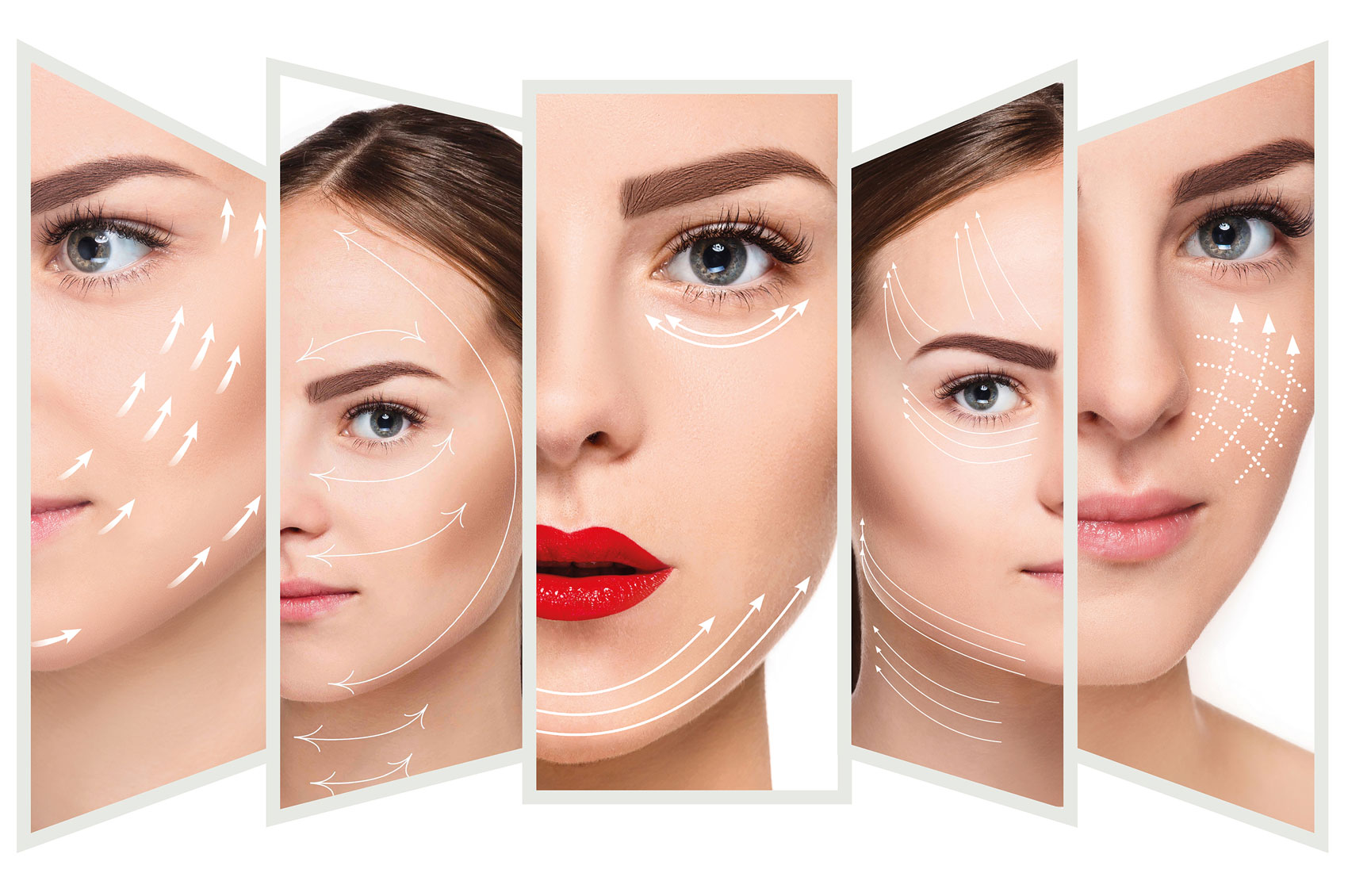

If you’ve been scrolling through social media, chatting with friends, or catching your reflection and thinking about smoother skin or fuller lips, you’ve probably heard the term “dermal fillers.” But what exactly are they, and more importantly, are they right for you?
This guide walks you through everything you need to know about dermal fillers—from how they work and what to expect, to the different options available and why so many people in Wallingford and London choose this treatment. Whether you’re curious or ready to take the next step, we’ll help you make an informed decision.
What Are Dermal Fillers? (And Why They’re Not All the Same)
Dermal fillers are gel-like substances injected beneath the skin to restore volume, smooth lines, and enhance facial features. Think of them as a way to “fill in” the places where time, sun exposure, and natural facial movement have created folds or taken away fullness.
The key thing to understand: not all fillers are created equal. The type, brand, depth of injection, and amount all affect your results. That’s why a consultation with a skilled practitioner makes all the difference.
How Fillers Work: The Simple Version
As we age, our skin loses collagen and elastin—the proteins that keep it plump and bouncy. We also lose fat pads in the face, which causes hollowing and sagging. Dermal fillers work by:
- Replacing lost volume in specific areas (cheeks, lips, under eyes)
- Stimulating your body’s natural collagen production (some types do this better than others)
- Smoothing out wrinkles and folds by literally filling the space beneath them
The effect is immediate—you walk out looking refreshed—and typically lasts between 6 to 18 months, depending on the filler type and your metabolism.
Popular Filler Types & What Sets Them Apart
Hyaluronic Acid (HA) Fillers Most popular, reversible, and naturally found in your skin. Brands include Juvederm and Restylane. Results last 6–12 months. Great for first-timers because they’re gentle and can be dissolved if needed.
Calcium Hydroxylapatite Thicker, longer-lasting (12–15 months), and stimulates collagen. Better for deeper lines and structural support. Brand: Radiesse.
Poly-L-Lactic Acid Stimulates your own collagen production over time. Results build gradually over weeks. Lasts 2+ years. Brand: Sculptra. Best for those wanting gradual, natural improvement.
Autologous Fat Transfer Your own fat, harvested and reinjected. Long-lasting but requires a minor procedure first. Popular among those who prefer natural materials.
For most people in Wallingford and London, HA fillers are the go-to—they’re safe, effective, and forgiving.
The Dermal Filler Journey: What to Expect
Knowing what happens before, during, and after helps you prepare mentally and physically. Here’s the real timeline.
Before Your Appointment
Schedule smartly: Avoid fillers the week before a big event (some swelling is normal) or right before your holiday. Give yourself at least 48 hours of calm, home time post-treatment.
Stop blood thinners: Aspirin, ibuprofen, fish oil, and vitamin E can increase bruising. Chat with your practitioner about what to avoid (usually 3–5 days before).
Hydrate: Drink plenty of water the day before and day of. Hydrated skin takes filler better and swells less.
Arrive makeup-free: Easier for the practitioner to assess and treat. You’ll want a clean canvas anyway.
Come with realistic expectations: Browse before/after photos (ours and others’), but remember—good fillers look like you, just refreshed. Not like a different person.
During Treatment
The appointment takes 15–30 minutes depending on how many areas you’re treating.
Your practitioner will:
- Cleanse your skin
- Apply numbing cream (optional but recommended) for 10–15 minutes
- Mark injection points with a pen so you can both see exactly where filler will go
- Inject small amounts, often massaging as they go to blend smoothly
- Check symmetry and balance before you leave
You’ll feel: A slight pinch, gentle pressure, and maybe a tiny sting. Most people find it way less uncomfortable than they expect. The numbing cream and the filler itself (which contains lidocaine) keep things manageable.
You won’t be sore or bruised immediately, but some people experience minor tenderness, redness, or small bruises at injection sites—totally normal.
Aftercare & Recovery Timeline
| Timeline | What to Expect |
|---|---|
| First 24 hours | Avoid alcohol, hot baths, saunas, and strenuous exercise. Sleep elevated if you can. Minor swelling is normal. |
| Days 2–7 | Swelling gradually reduces. Bruises may appear (fades in 7–10 days). Results start to show. |
| Week 2 | Full results visible. Swelling gone. Filler has “settled” into its final position. |
| Weeks 3–4 | If you want tweaks, book a follow-up. Most people love their results by now. |
Pro tip: Many people choose a Friday appointment so they can rest over the weekend and return to work Monday looking naturally refreshed.
Dermal Fillers for Different Concerns
Not all areas of the face need the same approach. Here’s how we customize fillers for different goals.
Cheek & Midface Augmentation
The goal: Restore youthful lift, define cheekbones, improve face shape.
Cheeks naturally flatten and drop with age. Adding strategic volume here:
- Lifts the entire midface
- Creates a subtle lift at the eyes
- Balances the lower face and jawline
- Takes years off your appearance
Best filler type: HA or calcium hydroxylapatite (for longer-lasting lift).
Typical amount: 1–2 mL per side.
Lip Enhancement
The goal: Fuller, more defined lips with better proportion to your face.
Lips thin out over time—it’s one of the first places people notice aging. Filler can:
- Add subtle fullness (or dramatic, depending on your preference)
- Define the lip border for shape
- Smooth vertical lines around the mouth
Best filler type: HA (most natural feel, reversible).
Typical amount: 0.5–1 mL total, often split between upper and lower lip.
Real talk: The key to natural-looking lips is proportionality. We’re not going for “Instagram lips”—we’re going for your best lips.
Smile Lines & Nasolabial Folds
The goal: Soften the lines that run from nose to mouth corner without erasing your expressions.
These folds deepen when you smile—which is why you don’t want to completely eliminate them. Instead, we soften them.
Best filler type: HA (lighter touch, blends well).
Typical approach: Small amounts placed strategically to support the line from underneath, not just filling it directly.
Under-Eye Hollows
The goal: Brighten the eyes, reduce tired appearance, smooth fine lines.
Hollowing under the eyes is one of the most aging features—and one of the most transformative to treat.
Best filler type: Thinner, softer HA formulations (Restylane Under Eye is popular) or fat transfer.
Why it’s tricky: The under-eye area is delicate and vascular. It requires a practitioner with specific training. Bad technique here = puffy, unnatural look. Good technique = you look rested and radiant.
Jawline Definition
The goal: Create structure, define the chin, improve face proportion.
Strategic filler along the jawline can redefine your entire face shape—especially powerful if your jawline has softened with age or weight changes.
Best filler type: Calcium hydroxylapatite or HA (HA if you want to test first).
Amount & placement: Usually 1–2 mL along the angle of the jaw, sometimes extending to the chin.
Why Wallingford & London Patients Choose Us
We’ve been fortunate to build trust in the Wallingford and London aesthetic community. Here’s what sets our approach apart.
Practitioner Expertise & Training
Our injectors have extensive training in facial anatomy, aesthetic principles, and multiple filler brands. We don’t just inject—we assess your face as a whole system. Where you might see one line, we see a chain of causes: Is it volume loss? Muscle movement? Skin quality? The answer determines whether filler is even the best solution (sometimes it’s not).
We regularly attend advanced training, stay current with new techniques and products, and honestly discuss when filler isn’t your best option.
Personalised Consultation Process
Every face is different. Your goals, face shape, skin type, and budget all matter.
Here’s what happens in a consultation:
- We listen to what you want (not what we think you should have)
- We show you exactly where we’d place filler using photos or our assessment
- We discuss realistic timelines, maintenance, and cost
- You leave feeling informed, not pressured
No high-pressure sales, no “you need this.” Just honest conversation.
Natural-Looking Results Philosophy
We’re not here to transform you into someone else. We’re here to help you look like the best version of you—refreshed, rested, and like yourself on a really good day. That means respecting your expressions, your unique face shape, and your personal style.
Subtle is sustainable. Overfilled looks fade quickly (and not in a good way). Natural-looking fillers keep people coming back because friends say, “You look great—have you been sleeping more?” Not, “Whoa, what’d you do to your face?”
Key Considerations Before Getting Fillers
Before you book, let’s talk through some important realities.
Safety & Side Effects
Dermal fillers are very safe when administered by a trained professional. That said, like any injectable, there are potential side effects:
Common (expected):
- Swelling & redness at injection sites (24–48 hours)
- Minor bruising (3–7 days)
- Tenderness or slight numbness
- Temporary asymmetry while swelling settles
Rare but possible:
- Allergic reaction (usually mild)
- Infection (extremely rare with proper technique)
- Vascular occlusion (filler accidentally blocking blood flow—this is why technique matters)
- Granulomas (lumpy reactions, usually resolve)
The reality: Side effects are temporary, and serious complications are exceptionally rare when you see a qualified practitioner. Choosing someone who knows facial anatomy and has genuine experience is your best insurance.
Longevity & Maintenance
HA fillers last 6–12 months. Some people metabolize them faster; others slower. Factors that affect longevity:
- Your metabolism
- How active you are (exercise increases breakdown)
- Sun exposure
- Smoking
- Filler brand and type
- Injection depth
The maintenance reality: If you love your results, you’ll likely want a touch-up 2–3 times per year. It’s a commitment—financial and time-wise.
Some people do one round and stop (totally fine). Others maintain regularly for years. There’s no “right” answer—just what works for your lifestyle and budget.
Cost & Value
Dermal fillers aren’t cheap, and they’re not permanent. Expect to invest:
- Per syringe (1 mL): £200–£500 depending on brand, area, and clinic
- Typical treatment: 1–3 syringes = £200–£1,500+
- Annual maintenance: £600–£2,000+ if doing regular touch-ups
Is it worth it? That’s personal. But consider: if you feel more confident, more like yourself, and enjoy how you look when you smile in the mirror, that’s valuable. Just go in with eyes open about the cost-benefit trade-off.
Red flag: If a clinic is offering fillers significantly cheaper than market rate, ask questions. You’re not just buying product—you’re buying expertise and safety.
Your Dermal Filler Checklist
Before booking your appointment, make sure you’ve considered these points:
Pre-Treatment:
- I’ve researched the clinic and seen real before/after photos
- I have realistic expectations about results (I understand fillers enhance, not transform)
- I’m not pregnant or breastfeeding
- I’m not on blood thinners (or I’ve discussed timing with my doctor)
- I’ve scheduled the appointment at a time when I can rest 24–48 hours after
- I understand the cost and maintenance timeline
- I’ve had a proper consultation, not just a quick sales pitch
During Treatment:
- I feel comfortable asking questions
- The practitioner explained exactly where filler would go
- I was offered numbing options
- I didn’t feel pressured to add more than I wanted
Post-Treatment:
- I’m following aftercare instructions (no heat, heavy exercise, alcohol for 24 hours)
- I’m sleeping elevated
- I’m staying hydrated
- I know when to come back for a touch-up if needed
- I have the clinic’s contact info if questions arise
Section
Common Questions About Dermal Fillers
What are Dermal Fillers?
The Dermal Fillers used at The Good Skin Club are made from naturally occurring substances already found in your skin. These substances decrease in our skin as we get older, and Dermal Fillers replace the lost volume. Dr Pavey is a London Dermal Fillers Expert who uses the most advanced Dermal Fillers aesthetics medicine techniques to ensure that she is always able to give discreet and effective results for her patients.
Are they permanent?
No. You can get permanent Dermal Fillers, but at The Good Skin Club we use a safer brand of non-permanent Dermal Fillers, and we are proud to be regarded as the leading clinic for Oxfordshire Dermatology Experts. Using non-permanent Dermal Fillers means that our patients are not left with lifelong changes, and we can adapt the Dermal Filler to changes in your skin over the years and with each application. In addition, temporary Dermal Fillers are completely reversible. See below for more information.
Are they reversible?
You can get irreversible permanent Dermal Fillers, but at The Good Skin Club we use safer reversible non-permanent Dermal Filler. That means that if our patients do not like their Dermal Filler or feel it is too much, Dr Pavey can use an injection to dissolve the Dermal Filler away from as early as the same day of the application. Dr Pavey is a London Dermal Fillers Expert and by choosing The Good Skin Club you will always be treated with the highest level of care, safety, and professional aesthetics standards.
Will I be aware of the Dermal Filler?
No, the type of Dermal Filler that we use is highly innovative as the substances are crosslinked in such a way that it stretches with facial movement, thus looking and feeling natural. It is created in such a way to produce a substance as close to the natural content of the skin as possible. Dr Pavey has many years of experience using Dermal Fillers and can carry out procedures on all areas of the face. She takes her time to create bespoke treatments for each of her patients, ensuring they are always happy and understand the procedure, in addition to providing thorough care during and after treatments.
Which dermal filler do I need?
As a London Dermal Fillers Expert, Dr Pavey uses a range of different Dermal Fillers from leading pharmaceutical companies to give her patients the best results. The most popular brands used at The Good Skin Club are Juvederm, Restylane, Belotero and Teosyal. The reason Dr Pavey uses different Dermal Filler brands is because some areas of the face require more structure and volume, such as the cheeks. However, it is advised to use different types of Dermal Filler for more delicate or highly mobile areas, like the lips or under eye area. Dr Pavey will make that expert decision for you.
What are the side effects:
The majority of patients experience some slight swelling and mild discomfort up to 24 hours after injection; this is perfectly normal and is part of the body’s natural response to the injection of Dermal Filler. This can be treated with simple paracetamol. A minority of people may have some redness or bruising lasting up to a week. To reduce the risk of bruising from Dermal Fillers, it is advised that patients avoid alcohol or strenuous exercise for at least one day after their treatment.
What are the risks:
Uncommon side effects include nodules under the skin or infection. These can be treated with an excision or antibiotics. Very rarely you may get a blockage of a small blood vessel, however due to The Good Skin Club’s policy of only using non-permanent reversible Dermal Fillers, Dr Pavey can quickly treat this with an injection to the affected area that will dissolve the Dermal Filler and unblock the blood vessel.
Are dermal fillers the same as Botox?
No. Botox relaxes muscles to smooth dynamic wrinkles (like forehead lines when you raise your brows). Fillers add volume to smooth static wrinkles (visible even at rest) and enhance features. They work differently and often complement each other.
Can I get fillers if I have very sensitive skin?
Usually yes, but tell your practitioner. Some fillers have numbing agents built in. You might want an HA filler (less likely to cause sensitivity). We can do a patch test if you’re concerned.
What's the difference between a syringe and a unit of filler?
A syringe contains 1 mL of product. “Units” aren’t really a filler term (that’s Botox). We talk about fillers in syringes or millilitres.
Will fillers make me look "done"?
Only if too much is injected or placed poorly. Good filler work is invisible—people just notice you look great, not that you’ve had work done. That’s why choosing a skilled practitioner matters so much.
Can I stop getting fillers and just go back to normal?
Yes. If you stop, your body will gradually metabolize the filler over months, and you’ll return to baseline. There’s no “addiction” or permanent change (unless you’ve had hundreds of treatments over decades, which would just be normal aging changes anyway).
What should I avoid after filler?
For 24–48 hours: no heavy alcohol, saunas, steam rooms, intense exercise, or sleeping on your face. Avoid touching or massaging the area (unless your practitioner specifically tells you to). After that, you can resume normal life.
How do I know if I'm a good candidate?
Most adults over 25 are candidates if they’re healthy, not pregnant, and have realistic expectations. The best way to find out? Book a consultation. We’ll assess your skin, discuss your goals, and let you know if filler makes sense for you.
Can I combine fillers with other treatments?
Absolutely. Many people combine fillers with Botox, skin treatments, or thread lifts for comprehensive results. We’ll discuss what makes sense for your goals.
What happens if I'm not happy with my results?
HA fillers can be dissolved with an enzyme called hyaluronidase. So if you hate your results, we can reverse them. This is another reason why HA is great for first-timers.
How often do I need touch-ups?
Typically every 6–12 months, though some people go longer. We’ll recommend a maintenance schedule based on how quickly your body metabolizes filler.
Section
Ready to Explore Your Options?
Dermal fillers are a powerful way to look refreshed and feel confident in your skin. But the best results come from a genuine conversation with someone who listens, knows their craft, and puts your goals first.
If you’re in Wallingford or London and curious about what fillers could do for you, let’s chat. Book a consultation—no obligation, no pressure. We’ll assess your face, discuss realistic options, and help you make an informed decision. Many of our patients tell us the consultation alone was worth it because they finally felt heard.
Visit Dr Pavey’s Youtube channel to see videos of Oxfordshire Dermatology Experts administering Dermal Fillers and learn more about Dermal Fillers and its effects. We recommend that you watch the full facial transformation video of Sarah, who was happy to share her experience of receiving Anti-Wrinkle Injections and Dermal Filler treatments from Dr Pavey at The Good Skin Club.